
The Kigali Amendment and Low-GWP Refrigerants in the Refrigeration and Air Conditioning Sector
30/10/2026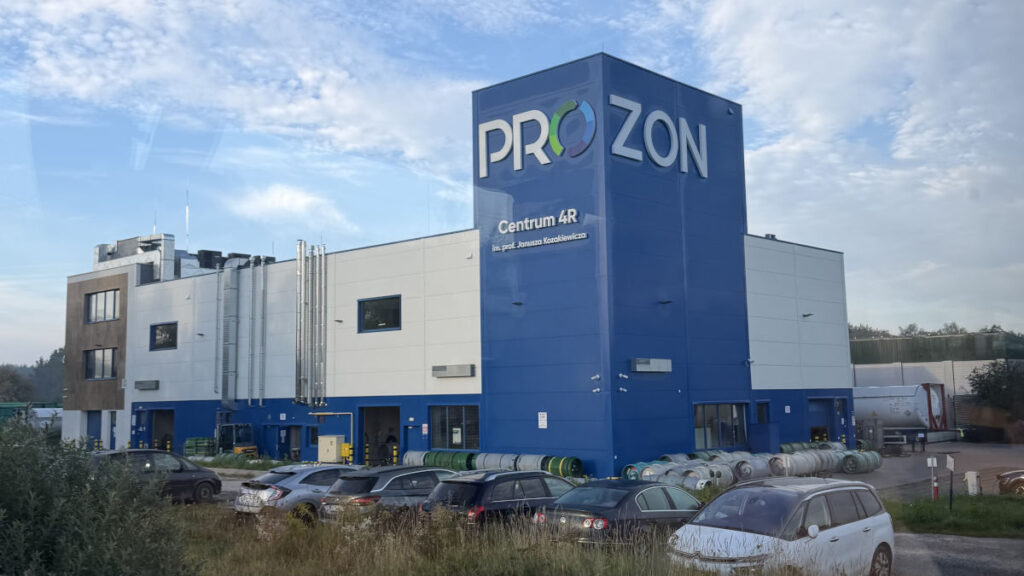
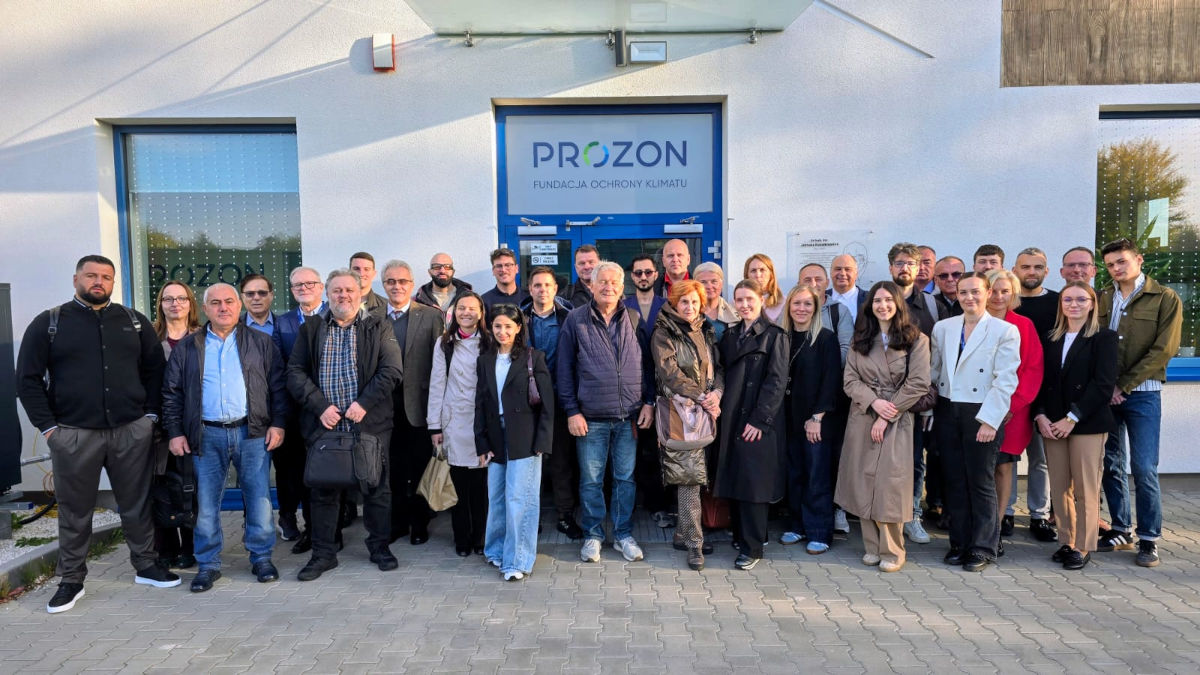
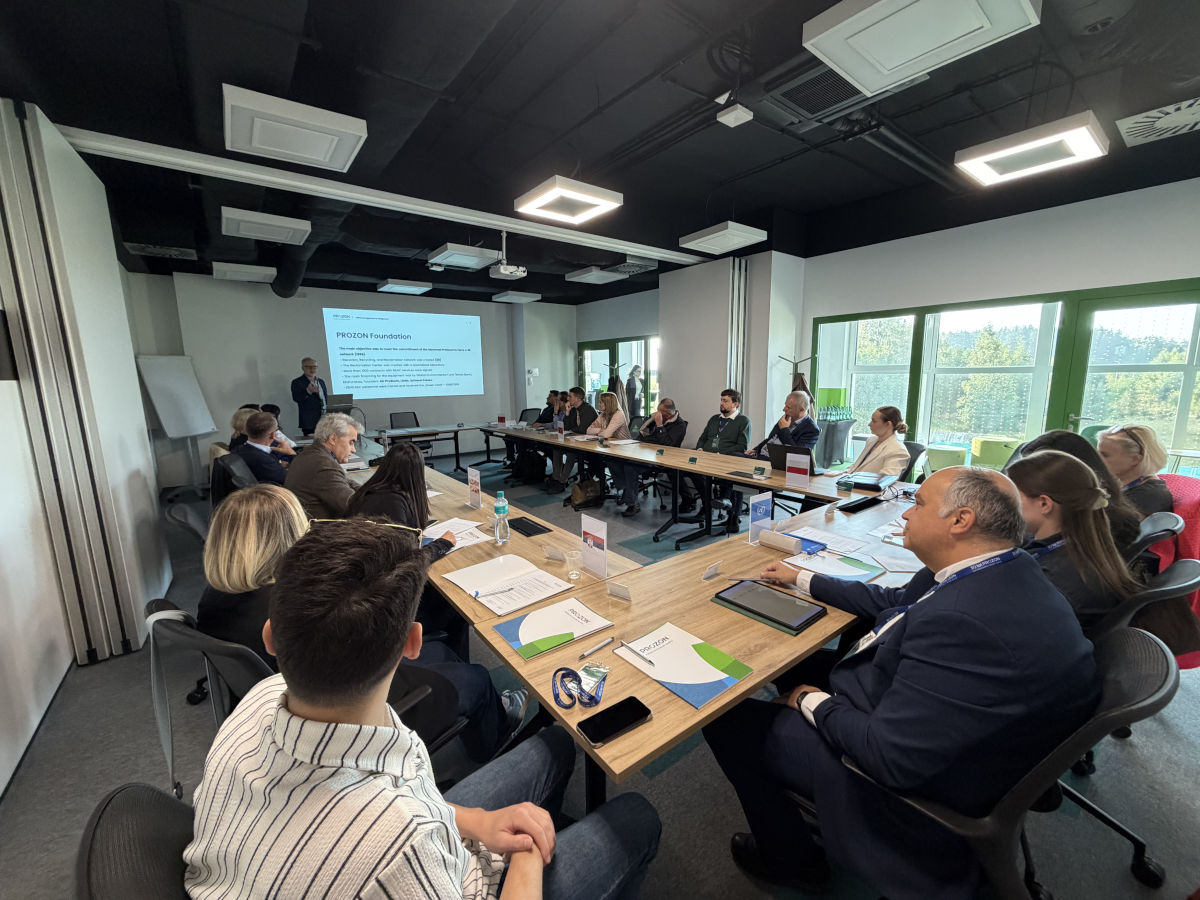
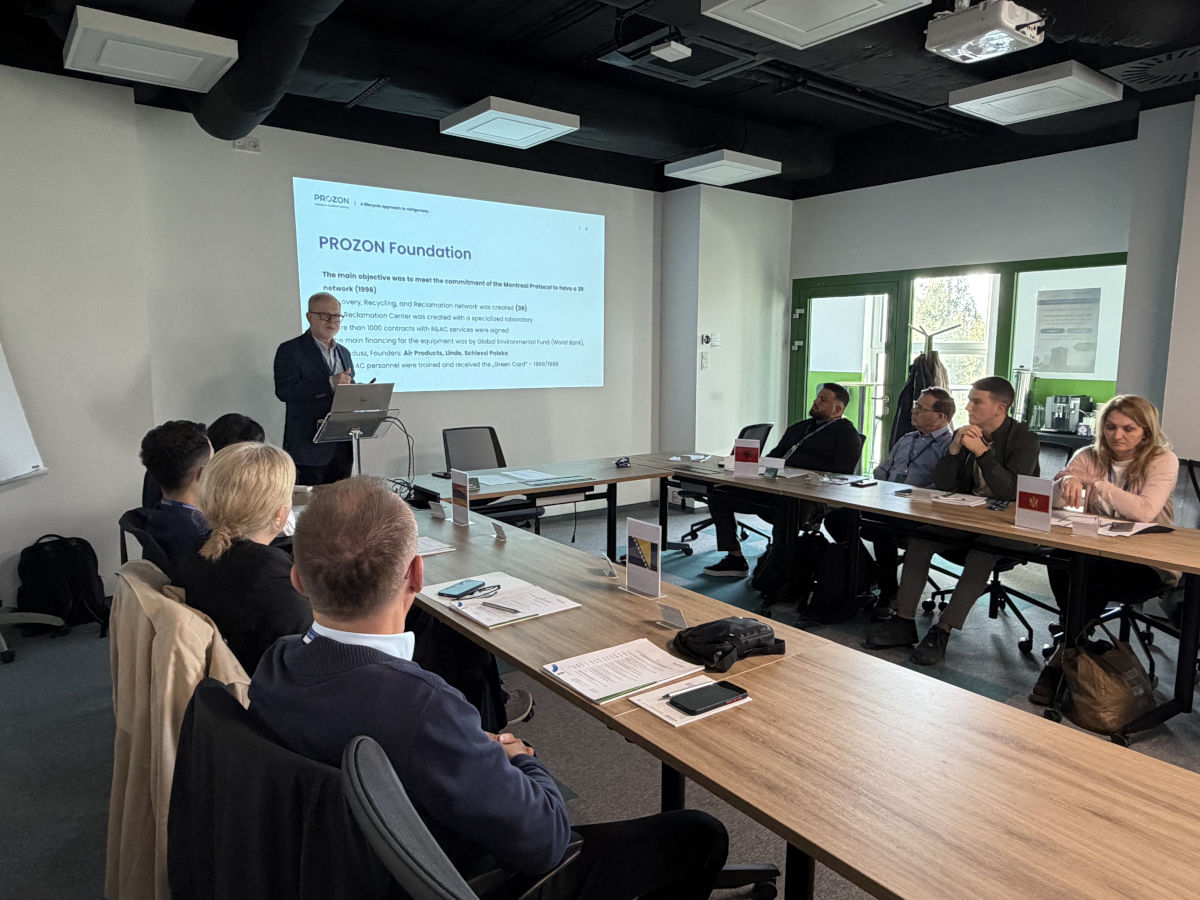
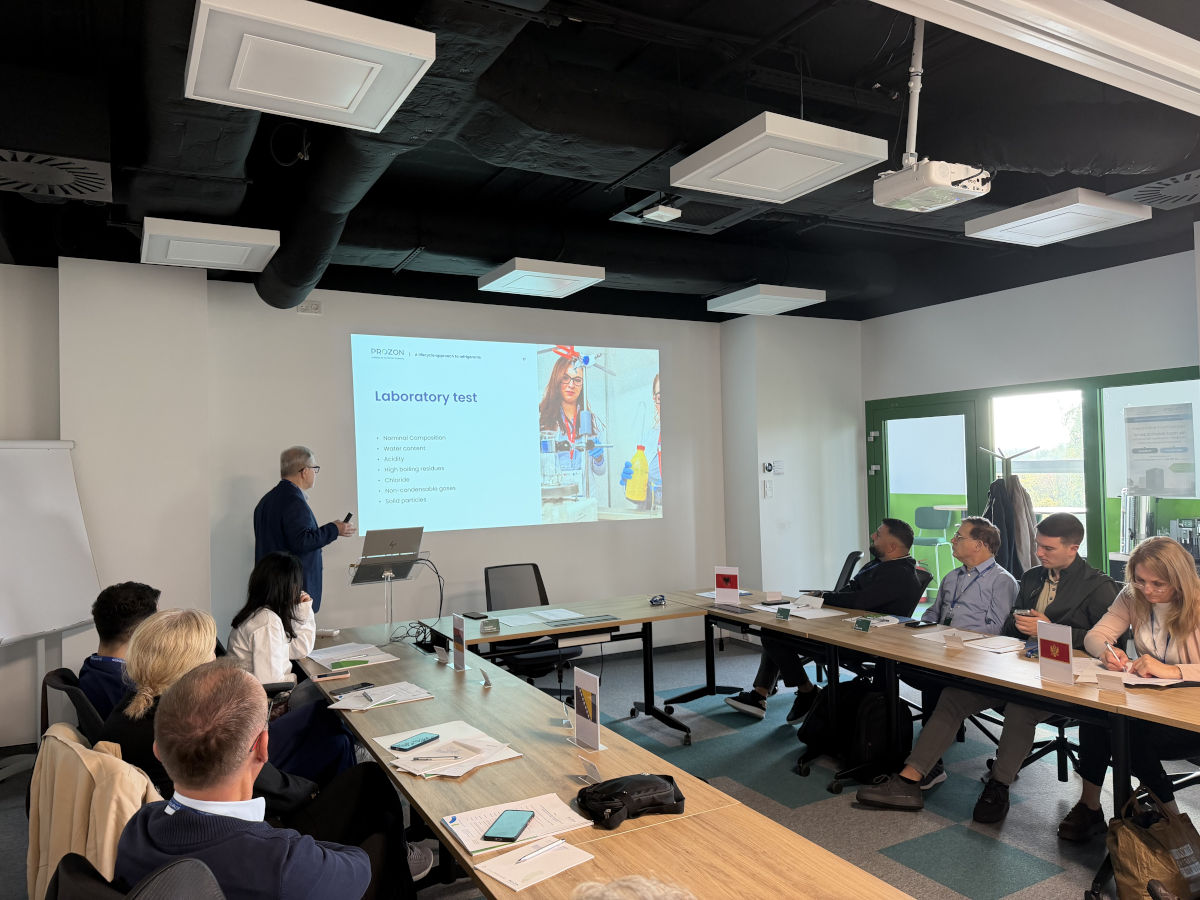
Used refrigerant can be returned to the market with the same quality as virgin refrigerant. How is this achieved in practice, and what does it take to build a successful system? These questions were central to a study visit undertaken by representatives of Albania’s National Ozone Unit to Poland on 6–7 October 2026, organised by UNIDO in cooperation with the PROZON Foundation.
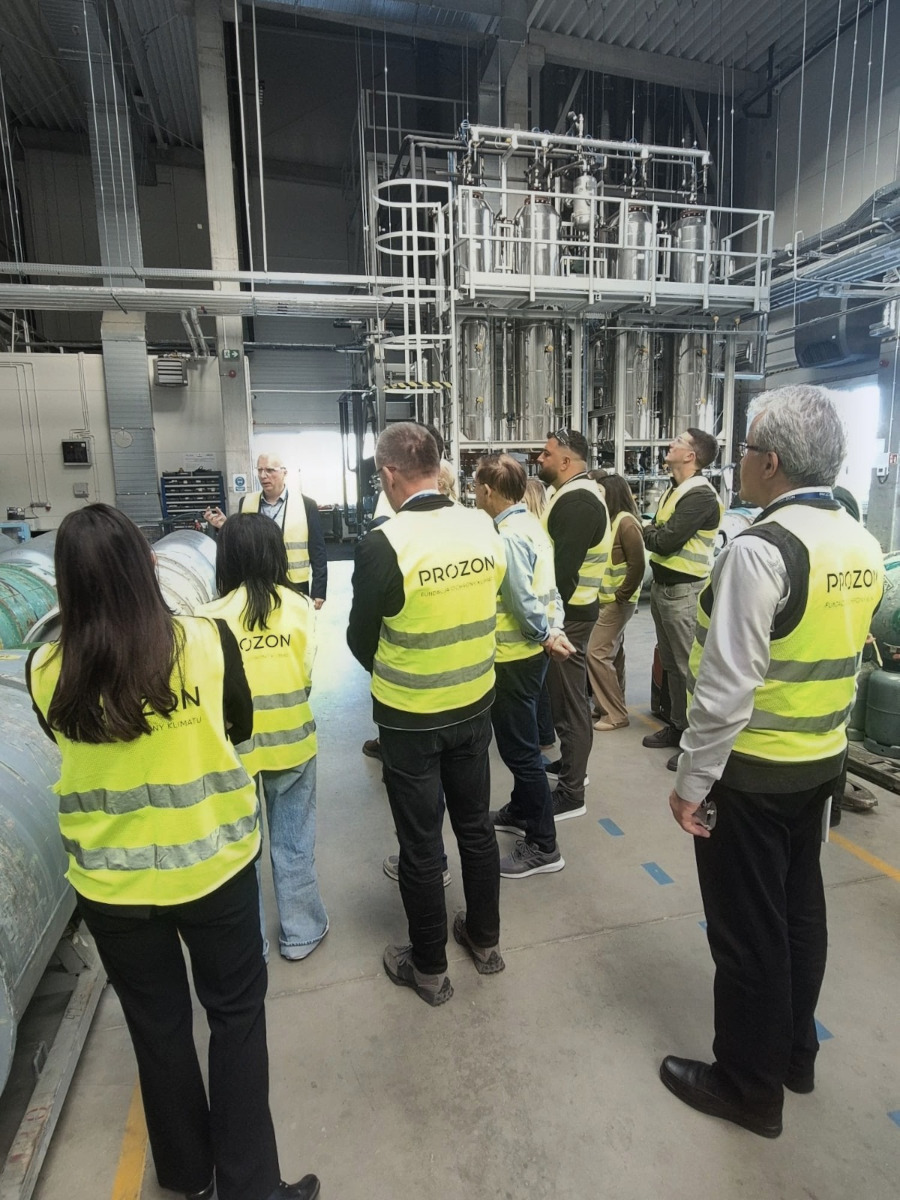
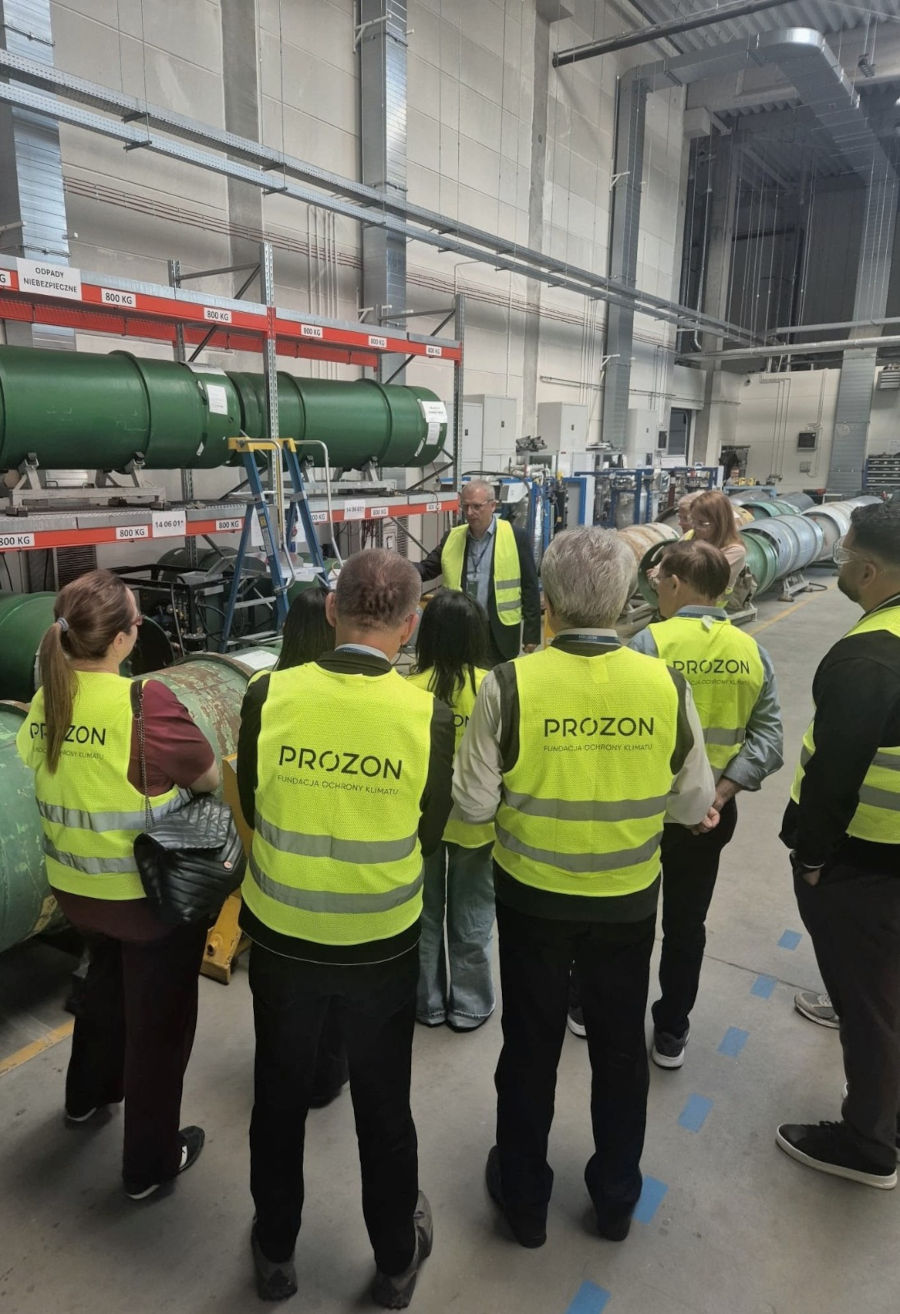
The programme included PROZON’s 4R Centre, which specialises in refrigerant recovery, recycling, reclamation and reuse, and SARPI, a company specialising in the treatment and destruction of industrial and hazardous waste.
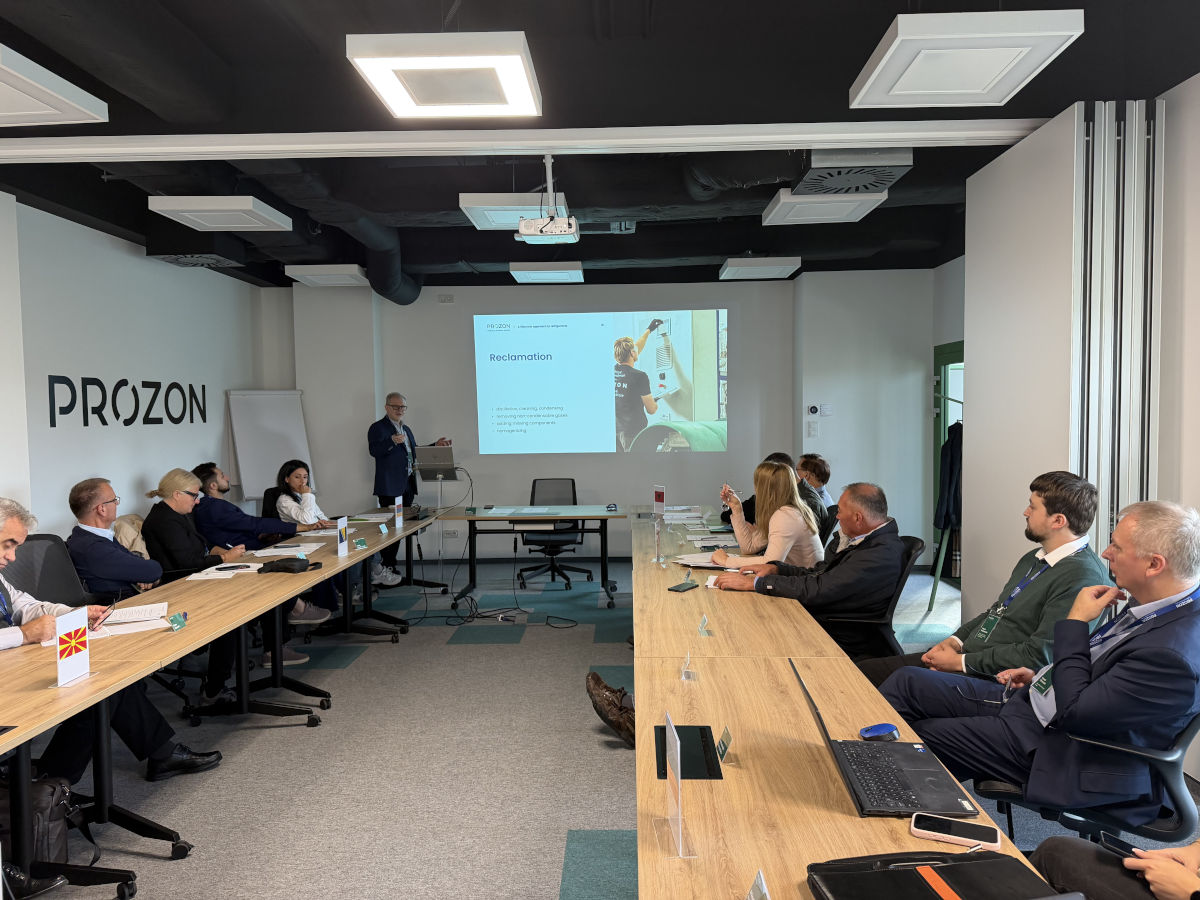
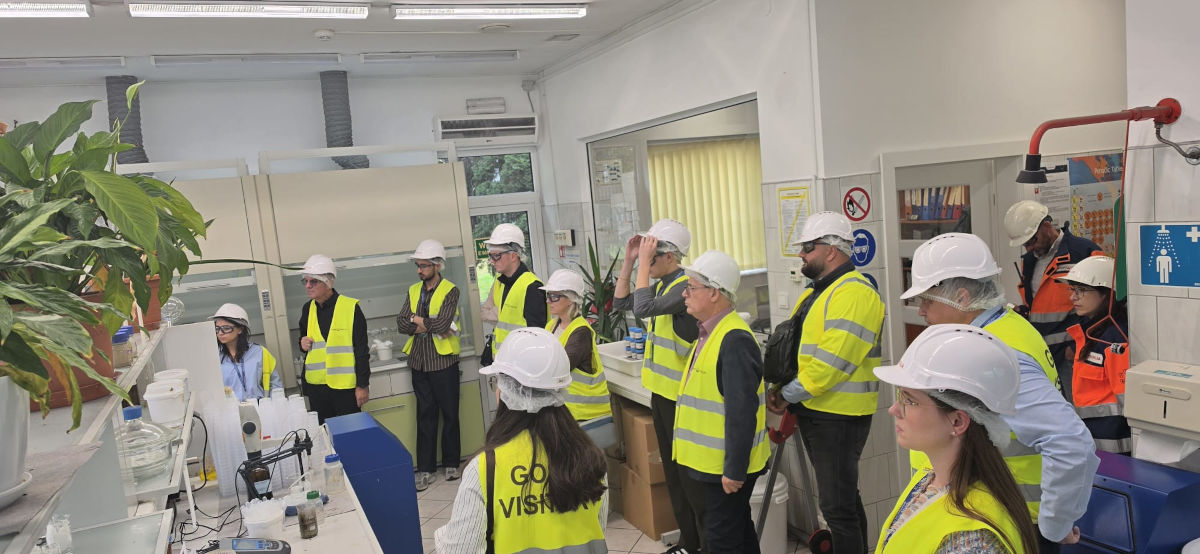
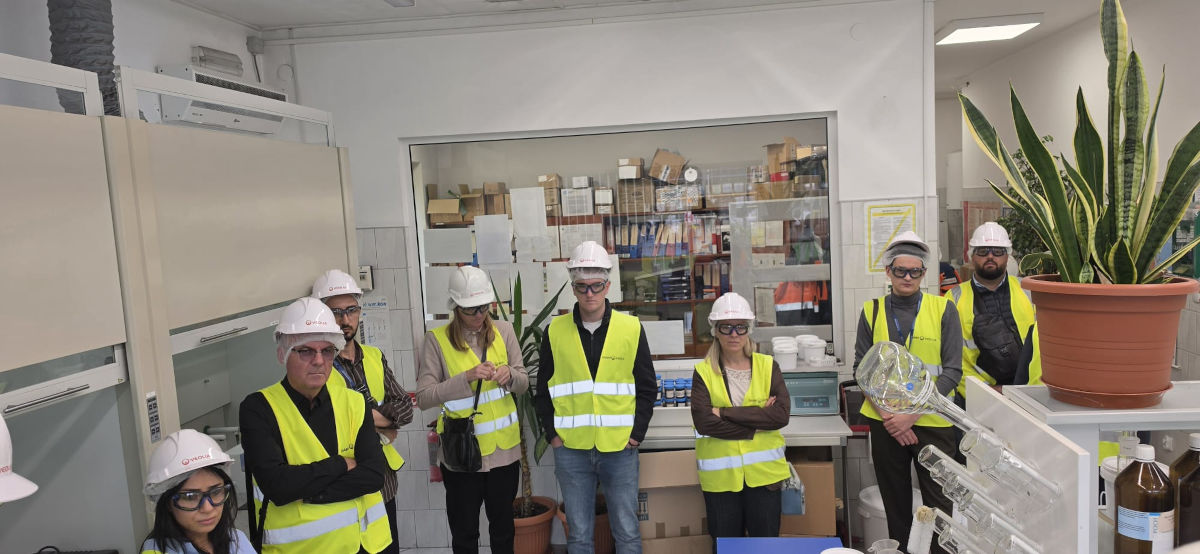
At PROZON, participants explored an established industrial operation that transforms used refrigerant into a commercially valuable product. Processing and mixture-separation technologies, supported by laboratory analysis, enable refrigerants to be returned to use in compliance with virgin refrigerant quality specifications.
This work is increasingly important as HFCs are gradually phased down under the Kigali Amendment. Reclamation provides an additional source of supply for servicing existing equipment, reduces the need for virgin refrigerant production and, together with recovery, contributes to reducing emissions.
PROZON’s current model, however, was not built overnight. Its management shared the journey from the early years, when market interest in reclaimed refrigerant was limited, to the establishment of an operational network and confidence in the product. Success required investment in technology and laboratory capacity, sustained cooperation with technicians, organised collection and transport, economic incentives and awareness raising. The visit demonstrated that equipment is only one part of the system: how refrigerant is recovered in the field, collected, processed and returned to the market is equally important.
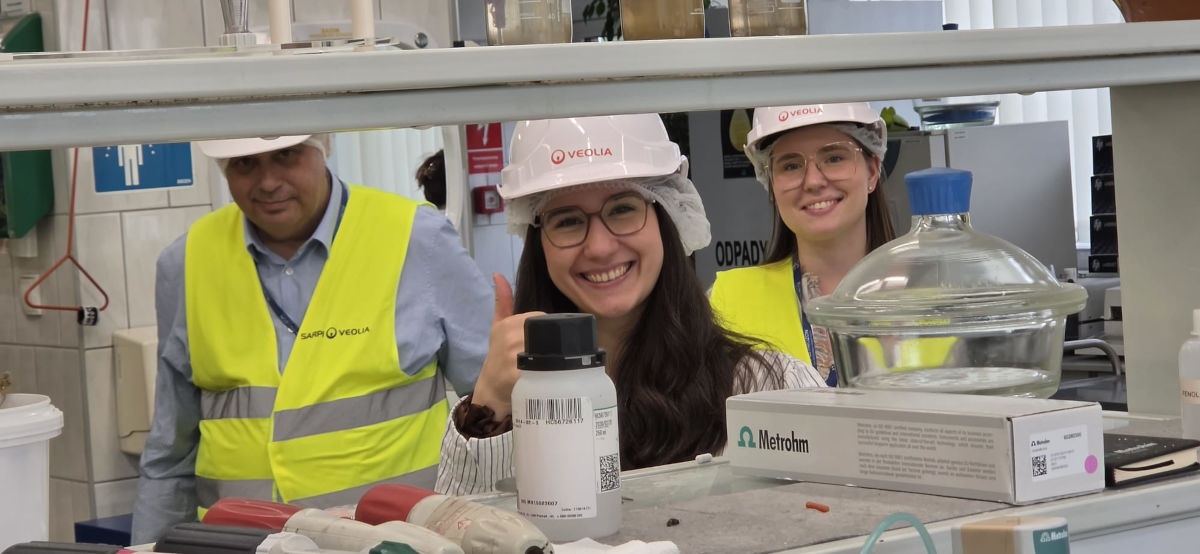
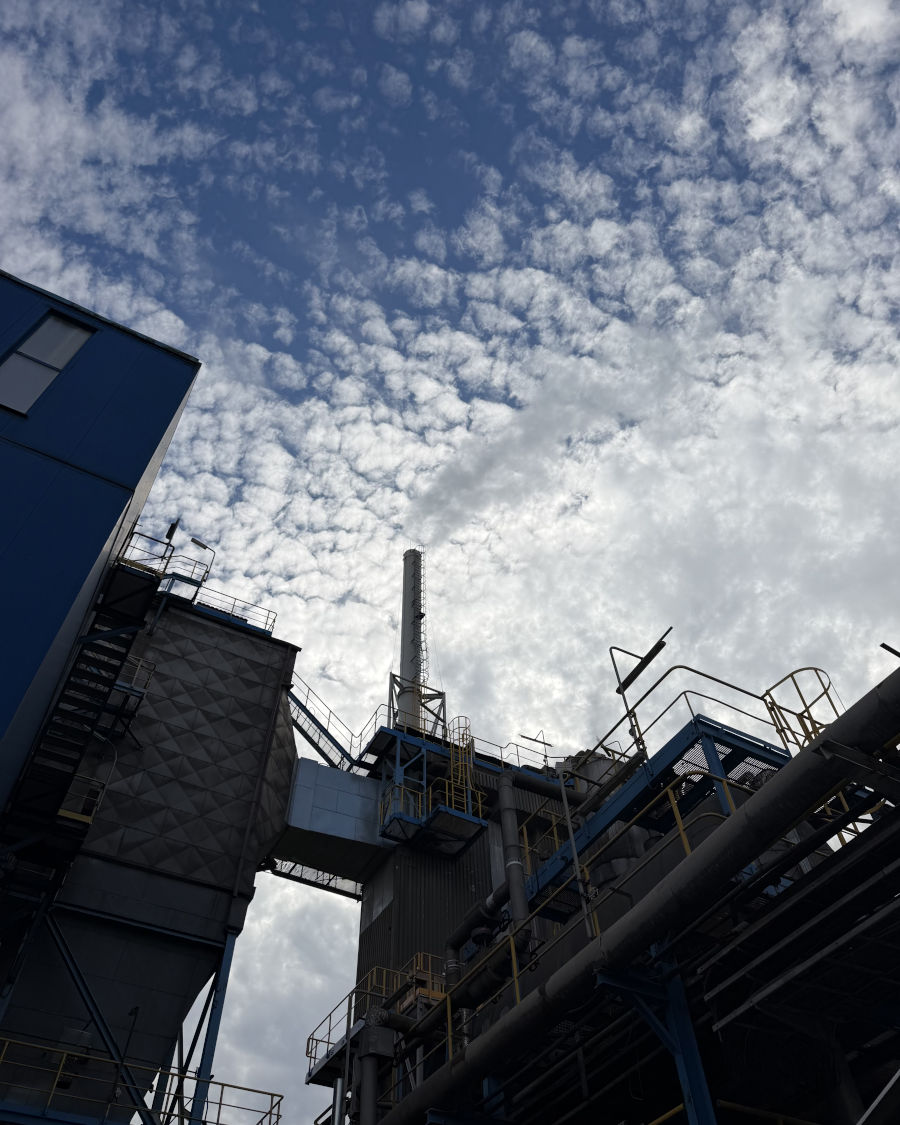
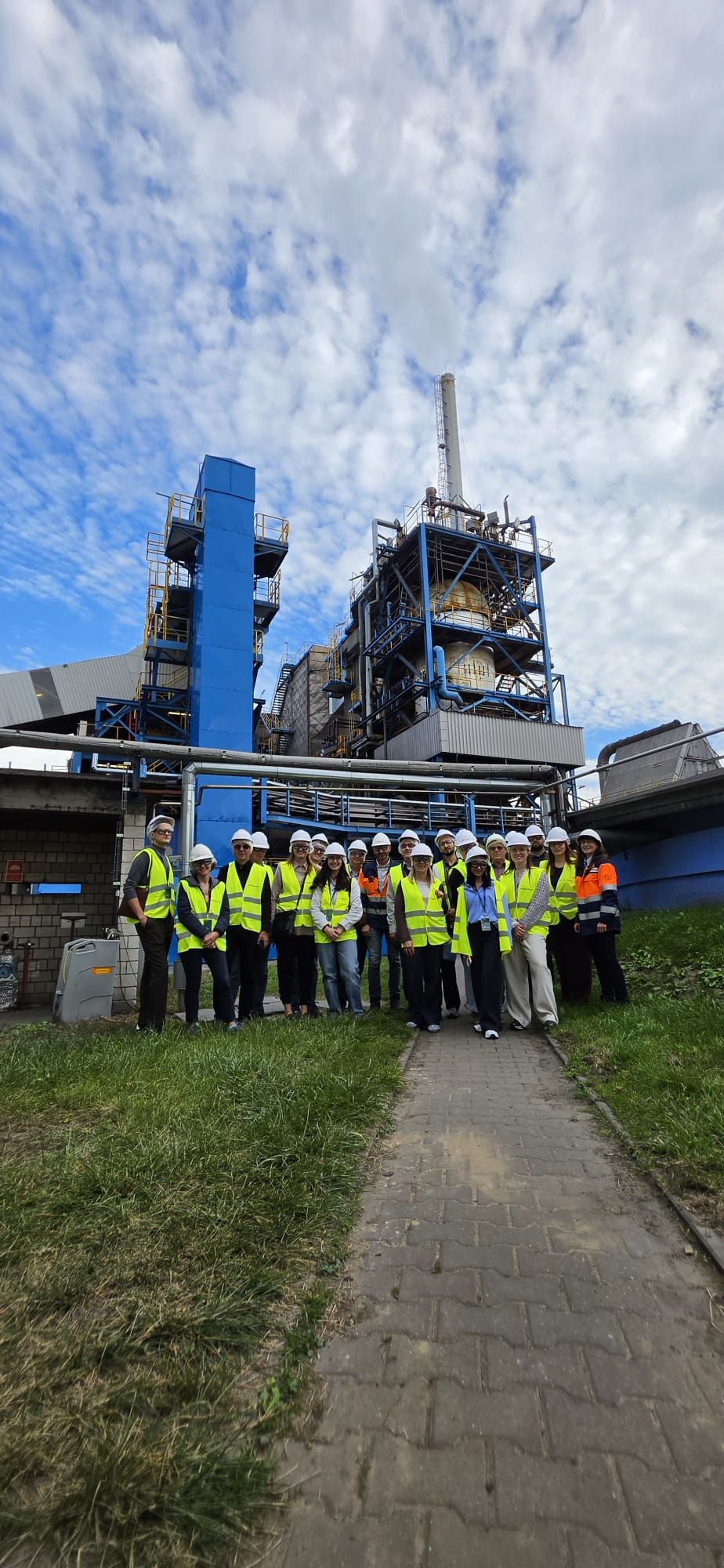
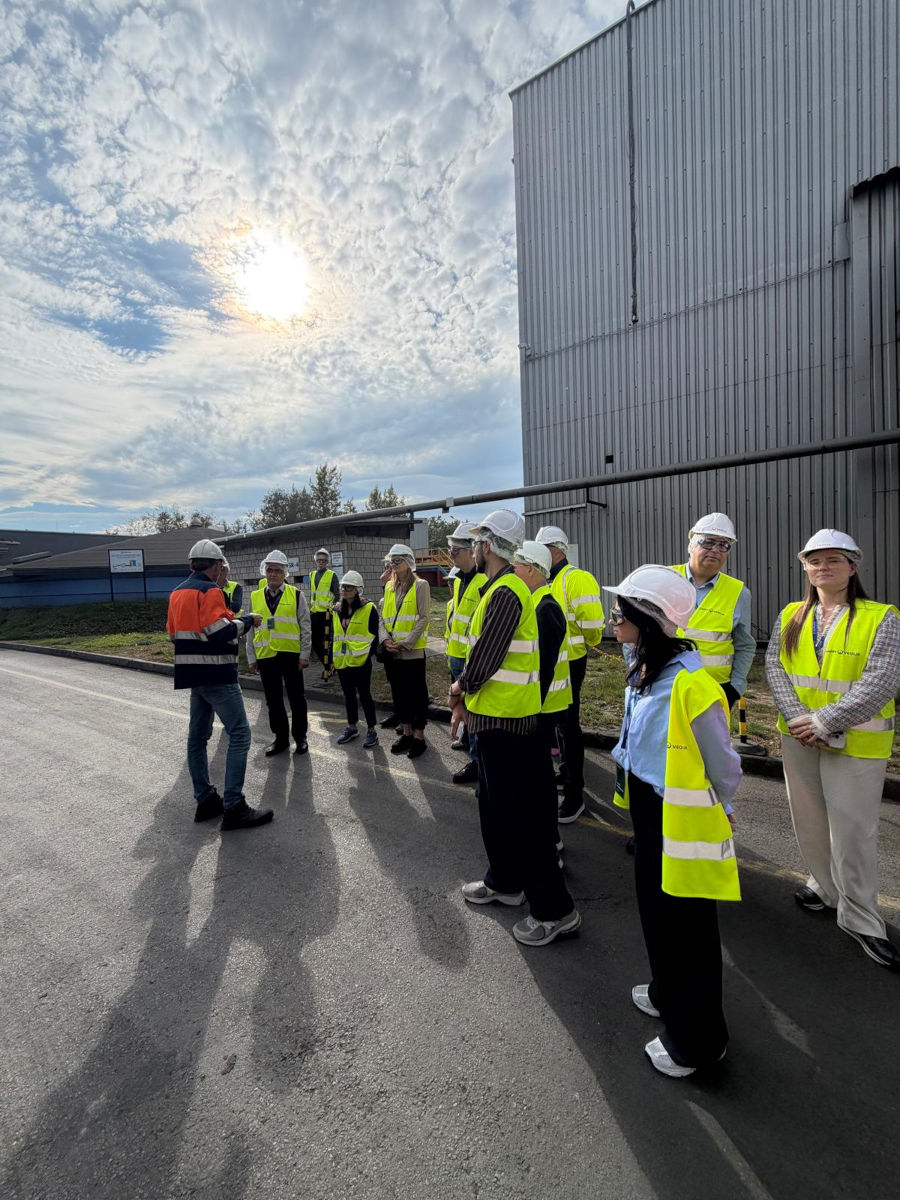
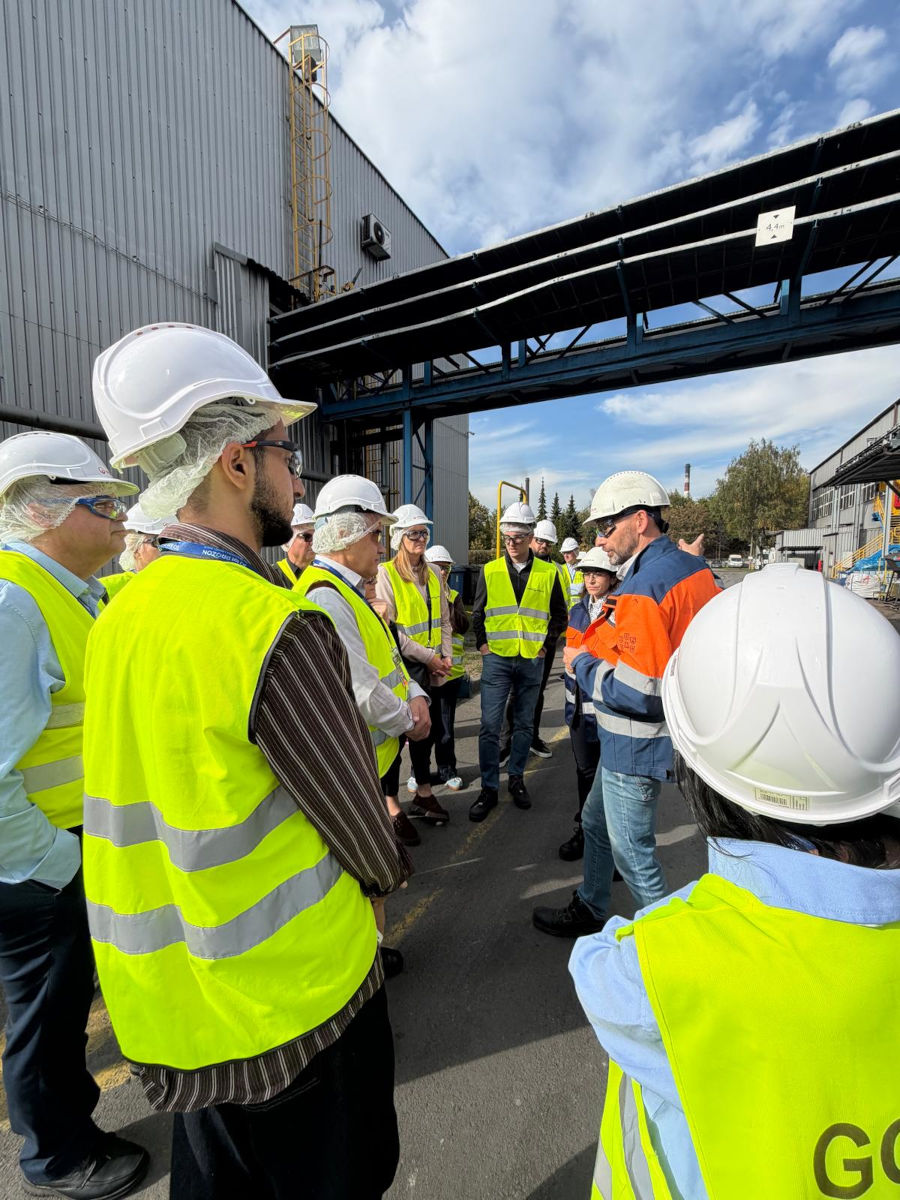
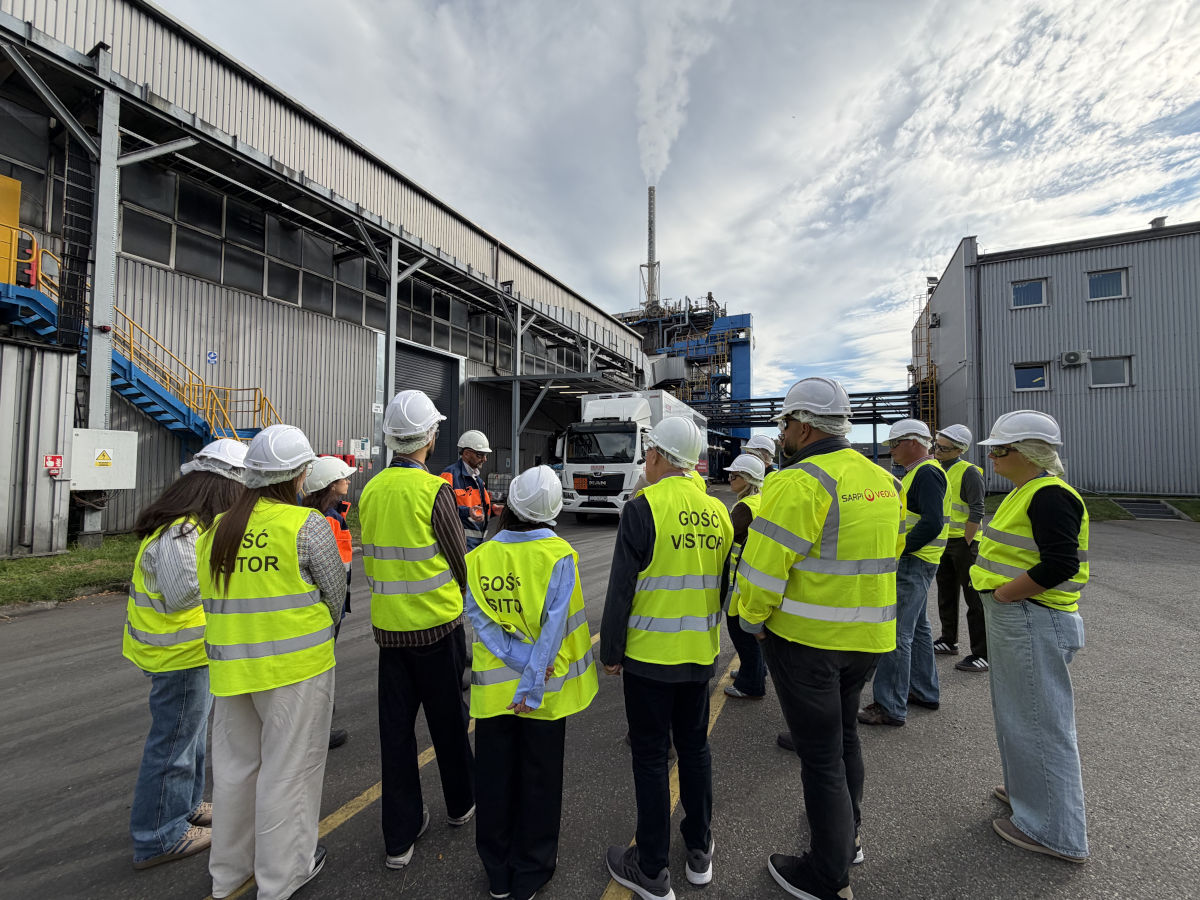
On the second day, participants visited SARPI, part of the Veolia Group, which operates one of Poland’s largest and most modern industrial and hazardous waste incineration plants. The visit included a tour of the installations and an introduction to waste segregation practices, while experts explained thermal destruction and energy recovery. Discussions also addressed refrigerants unsuitable for reuse and the flue-gas cleaning and monitoring systems that, according to the facility’s experts, keep emissions within permitted environmental limits.
For Albania, the Polish experience provides a practical basis for raising technicians’ awareness of refrigerant recovery and the benefits of reclamation, ensuring product quality and stimulating demand for reclaimed refrigerant. The aim is to prevent the release of high-global-warming-potential refrigerants into the atmosphere and develop a circular economy that reduces the need for virgin refrigerant production, supporting the objectives of the Kigali Amendment.