Promoting Safety and Good Practices for Natural Flammable Refrigerants: On-Site Training Visits
27/02/2026
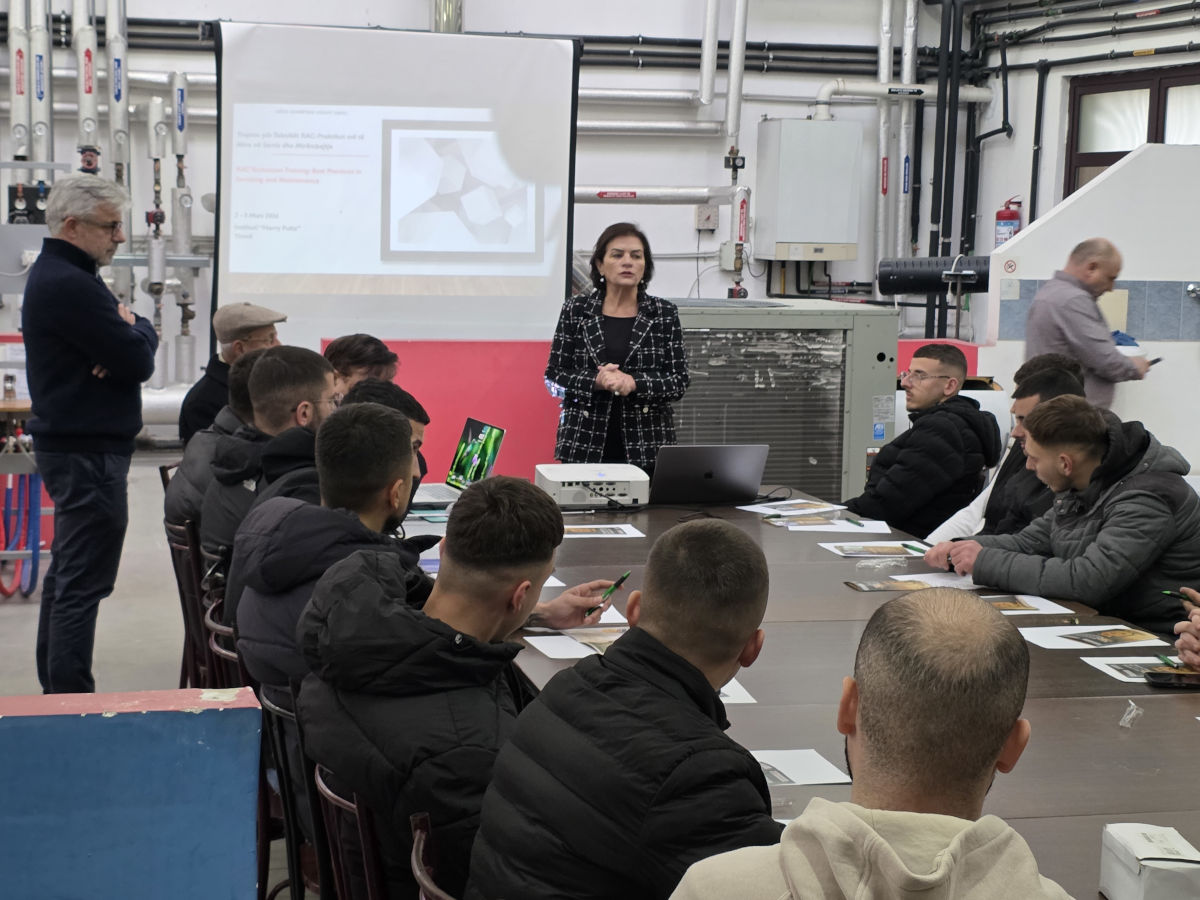
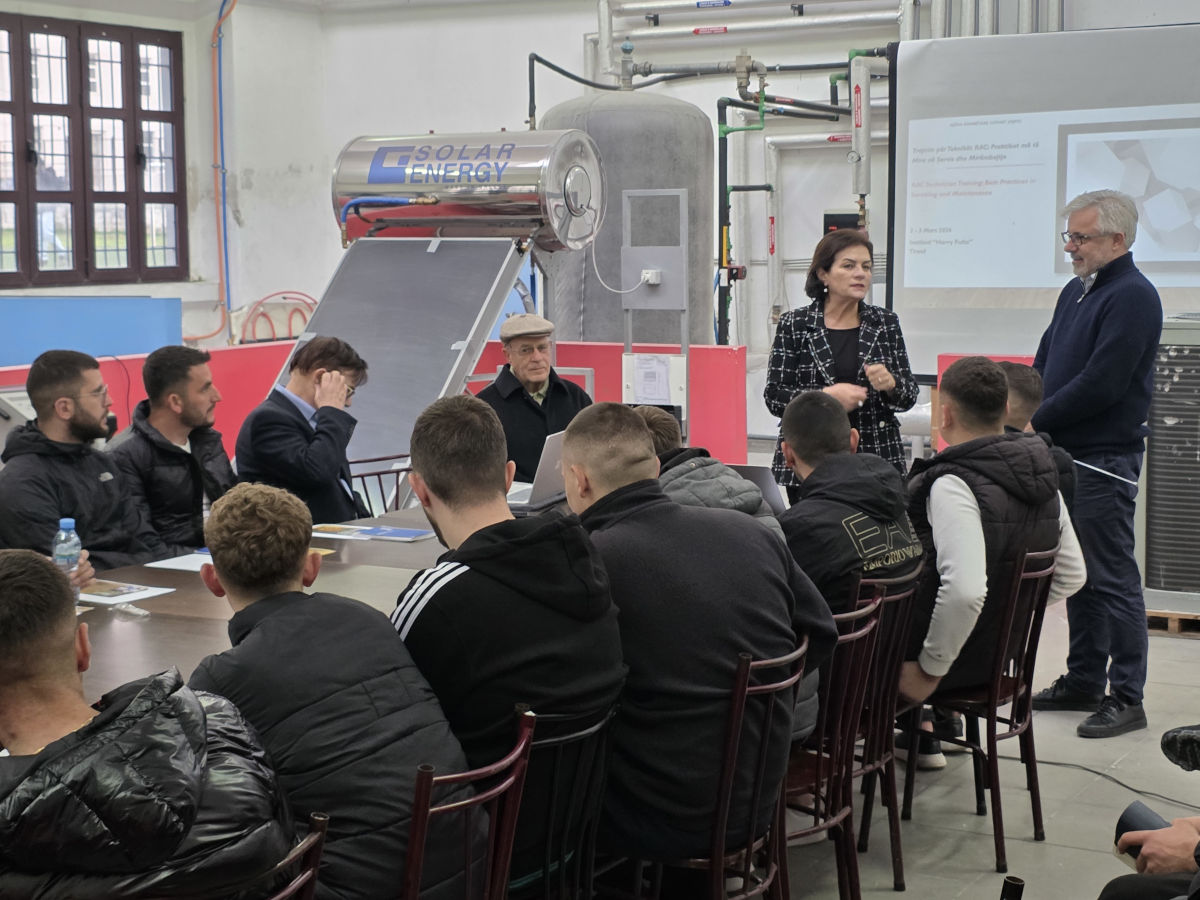
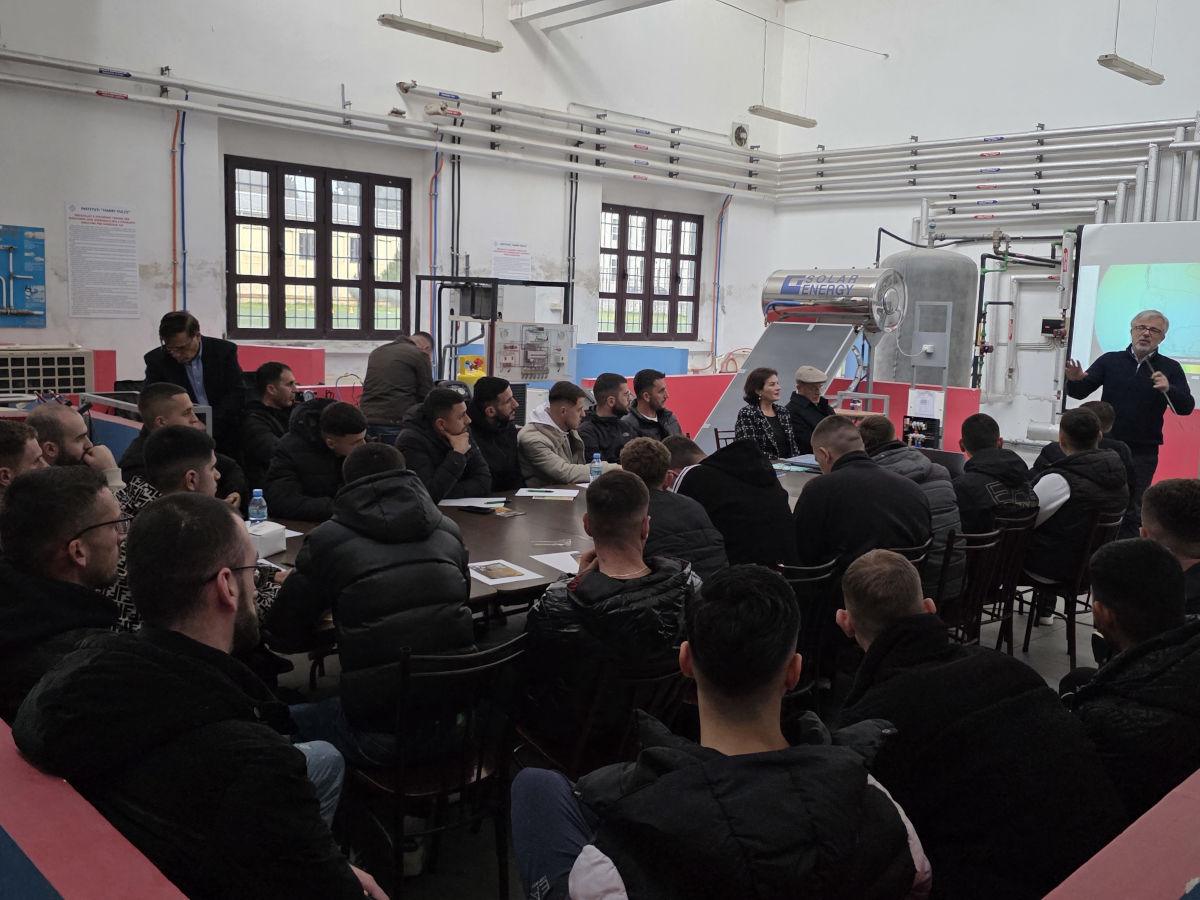
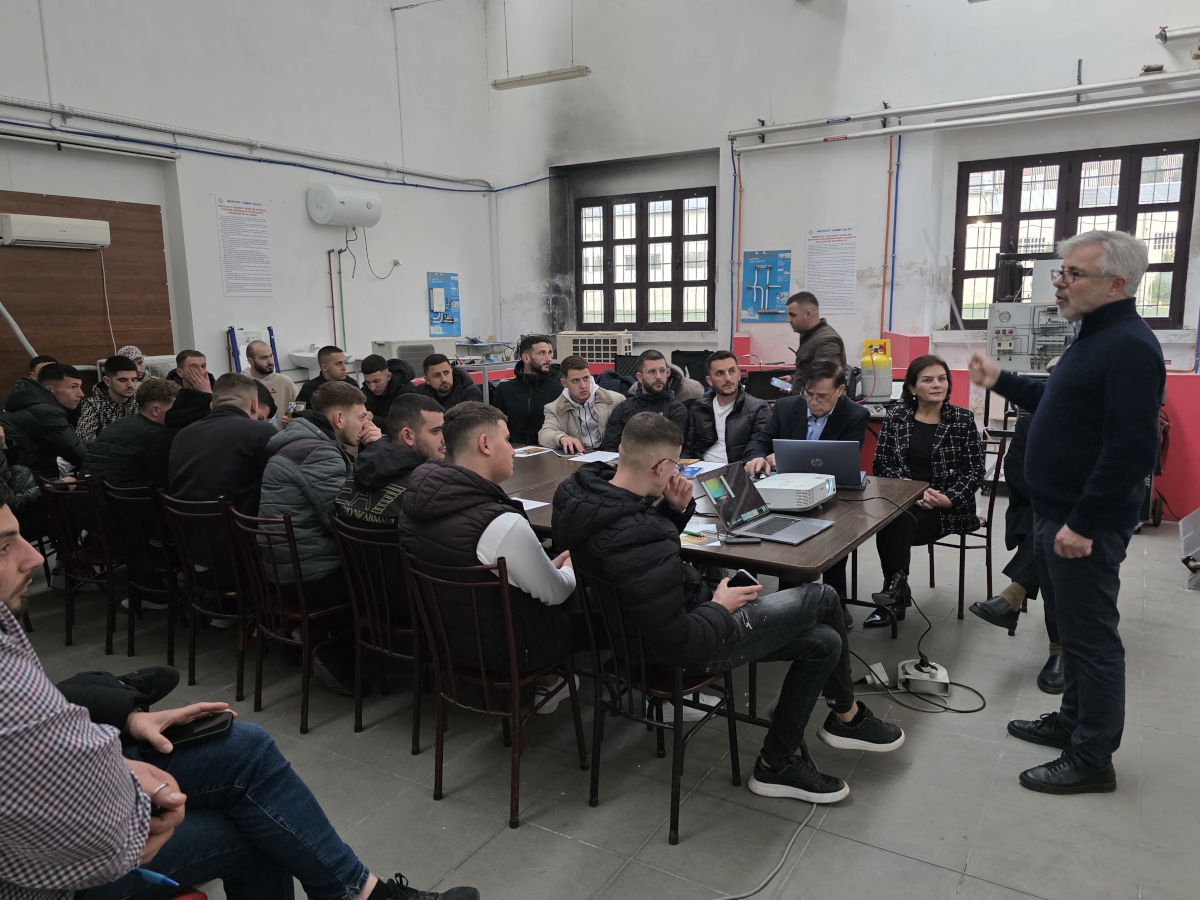
On 3–4 March 2026, the National Ozone Unit (NOU), in cooperation with UNEP and “Harry Fultz” College, organized a two-day training workshop in Tirana entitled “RAC Technician Training: Best Practices in Servicing and Maintenance.” The training was implemented within the framework of the UNEP-led project.
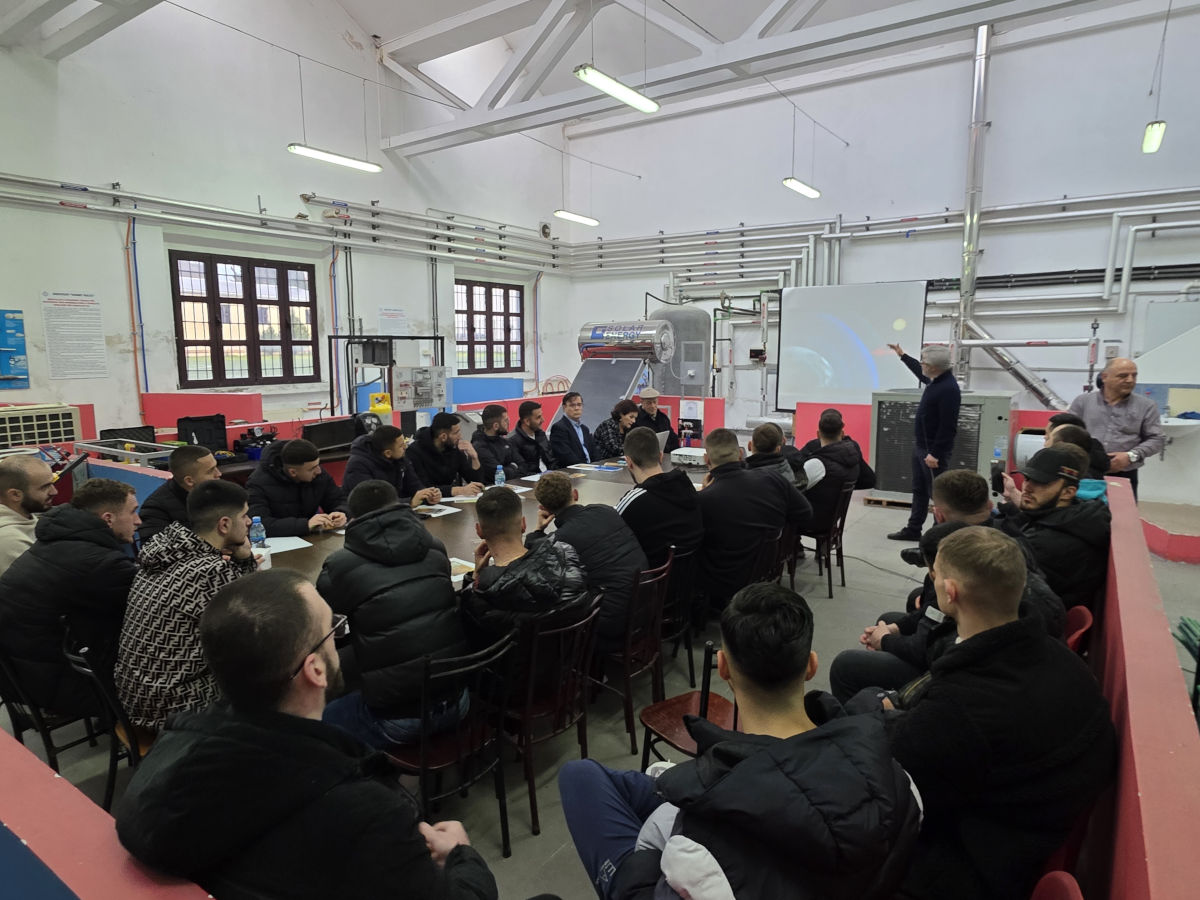
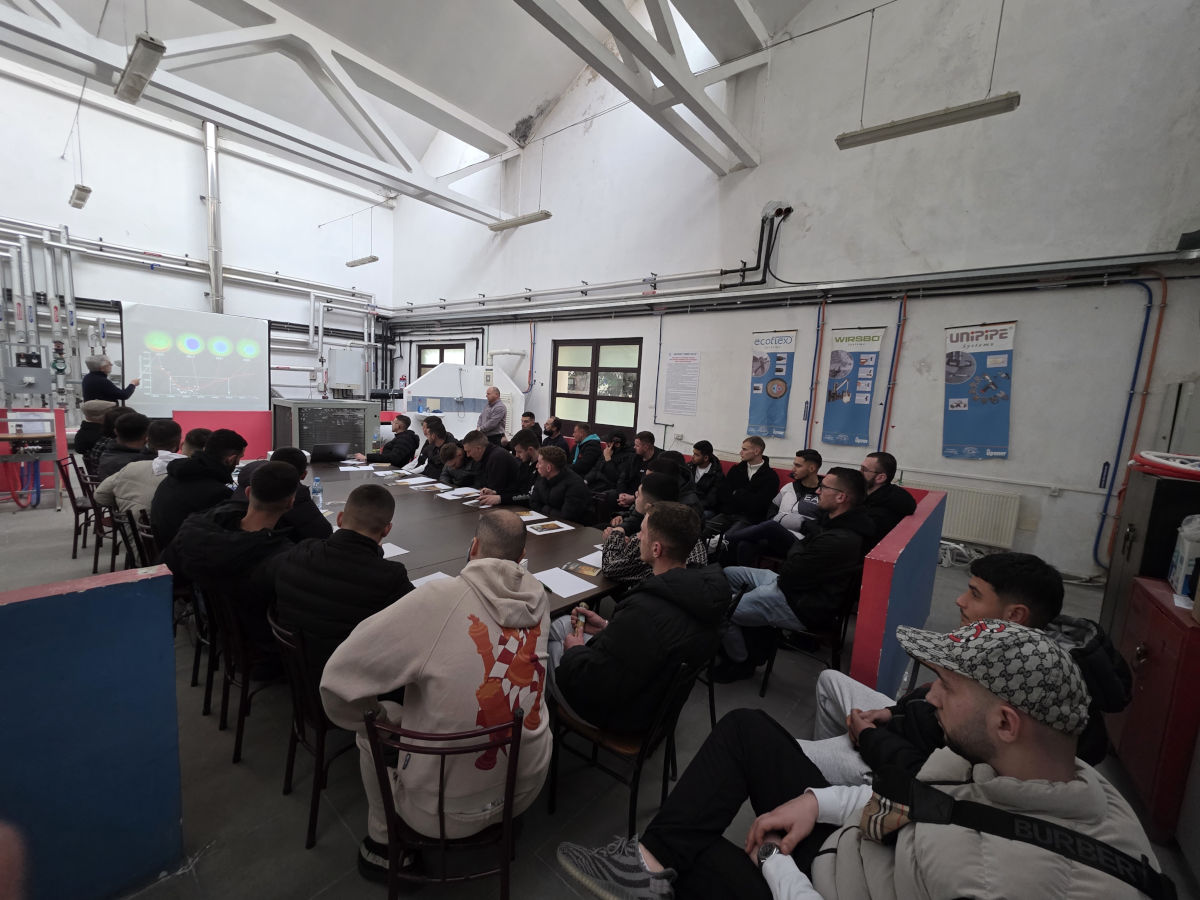
The training brought together around 40 young refrigeration and air-conditioning (RAC) technicians from across the country, reflecting the growing involvement of young professionals in the RAC sector. “Harry Fultz” College plays an important role in supporting the professional development of RAC technicians through vocational training and certification programs.
The objective of the training was to strengthen the technical capacity of RAC technicians to safely, efficiently, and environmentally responsibly service refrigeration and air-conditioning equipment, in line with the obligations of the Montreal Protocol and national regulations on ozone-depleting substances and fluorinated greenhouse gases.
The first part of the workshop consisted of theoretical presentations and discussions focusing on key aspects of good servicing practices in the refrigeration and air-conditioning (RAC) sector. During this session, participants explored the environmental impact of refrigerants and the importance of controlling emissions of ozone-depleting substances and refrigerants with high global warming potential (GWP). Particular attention was given to the important role that RAC technicians play in supporting the phase-out and phase-down schedules established under the Montreal Protocol.
The discussions also covered best practices for the proper installation, servicing, and maintenance of RAC systems, emphasizing that following proper procedures can improve energy efficiency and significantly reduce refrigerant leakage. Participants were also introduced to the safe handling of refrigerants, including flammable and low-GWP alternatives that are increasingly used as environmentally friendly solutions.
Further topics included methods for effective leak detection and the importance of preventive maintenance in ensuring the reliable operation of RAC systems. Particular emphasis was placed on the recovery, recycling, and reuse of refrigerants as essential practices to reduce emissions and minimize the demand for new refrigerant imports. These sessions provided participants with updated technical knowledge while reinforcing the importance of complying with environmental standards and safety procedures in everyday servicing activities.
The second part of the workshop focused on hands-on practical sessions conducted in the technical laboratory of “Harry Fultz” College in Tirana. To ensure active participation and effective learning, technicians were divided into small working groups of 4–5 participants. This approach allowed each technician to practice procedures and operate equipment under the guidance and supervision of experienced trainers.
During the practical sessions, participants worked with specialized RAC servicing equipment and practiced key procedures such as refrigerant recovery, recycling and reuse, as well as proper charging and evacuation techniques. Technicians also gained practical experience using recovery machines, recycling units, vacuum pumps, and leak detection tools.
This hands-on component enabled participants to translate the theoretical knowledge gained during the workshop into real servicing practices. By working directly with the equipment and performing the procedures themselves, technicians strengthened their technical skills and improved their understanding of environmentally sound refrigerant management, in line with the objectives of the Montreal Protocol.
This training represents an important step in strengthening the technical capacity of the RAC servicing sector in Albania. The strong participation and active engagement of technicians demonstrated the sector’s continued commitment to improving professional skills and adopting modern, environmentally responsible servicing practices.